
President Verny opens the Commission’s Autumn Plenary Assembly
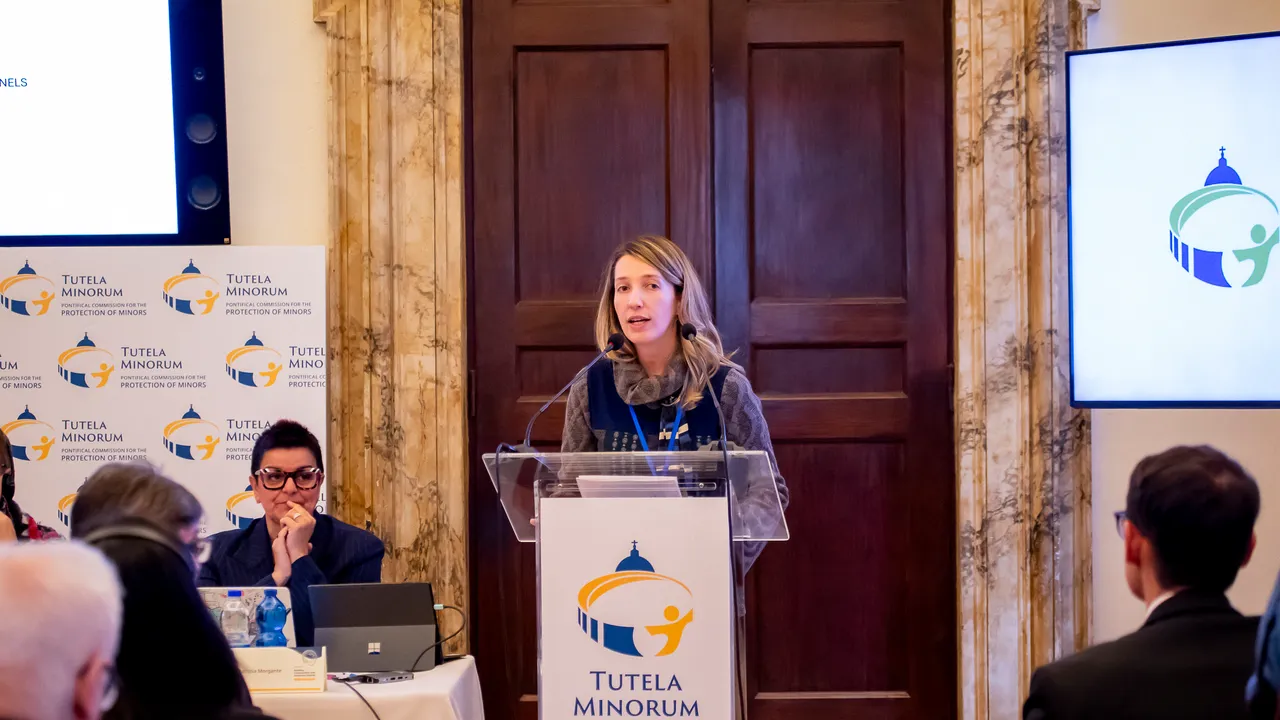
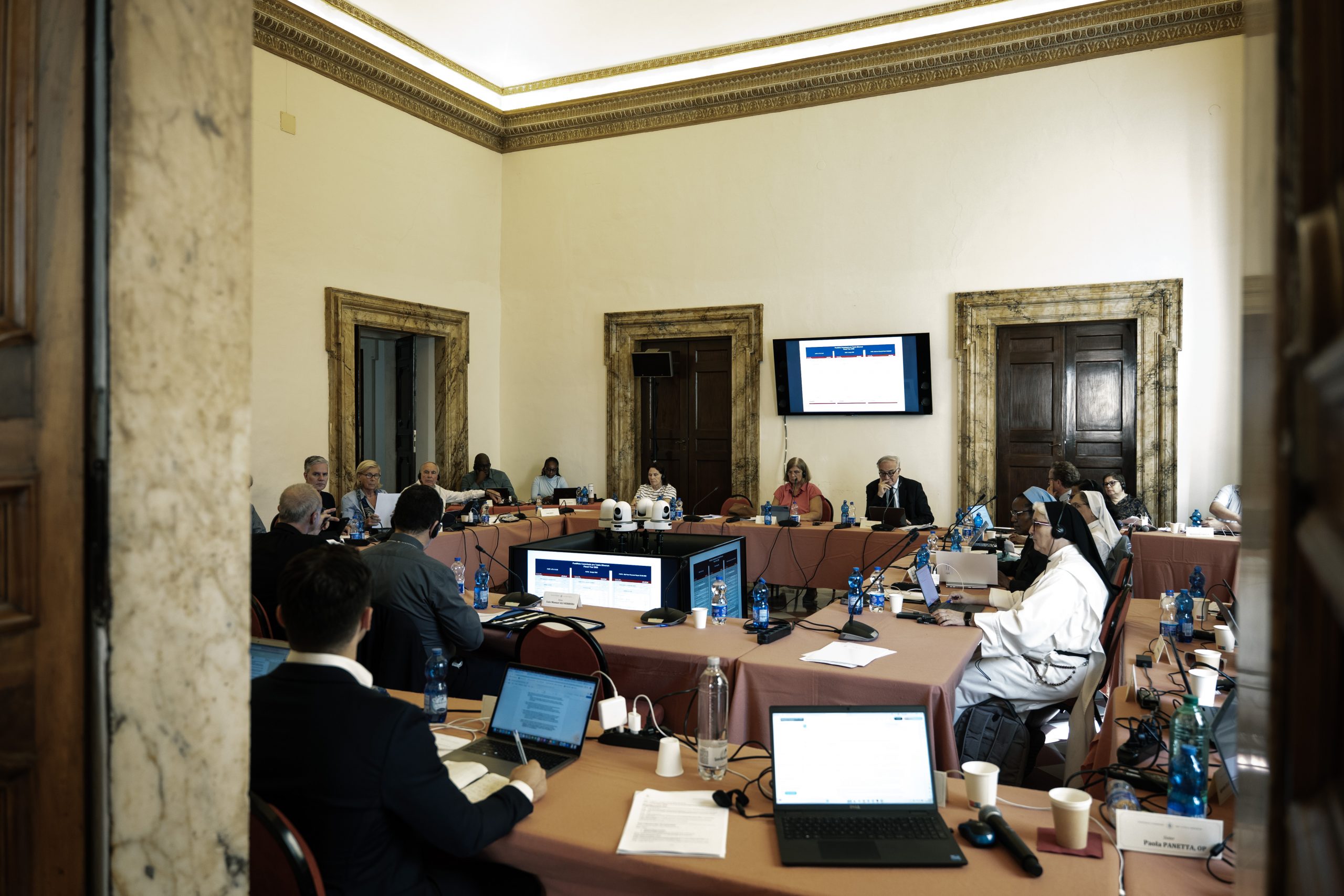
Opening address by Commission President Mons. Thibault Verny at the Autumn Plenary Assembly, held at Palazzo Maffei Marescotti in Rome from 28 September to 2 October 2026.
I am delighted to open our Plenary Assembly by welcoming you all and thanking you for being here. For some of you, this has involved a long journey or required you to make time within an already very busy schedule.
My thoughts are particularly with those who have been unable to attend, whether for health reasons or because of the distance involved, as well as with those joining our Assembly online.
I would also like to extend a warm welcome to the two new members of the Commission, Susan Bissell and Laurent Delvolvé. On behalf of us all, I thank you for agreeing to place your recognised expertise at the service of the Holy Father and the Church, as well as at the service of victims and vulnerable people.
As I address you, I am mindful that I belong to the third generation of members of the Commission, heirs to its history, its development and the progress made thanks to the commitment of each and every one of you. How true is that medieval saying: “We are dwarfs standing on the shoulders of giants.” We are reaping the fruits of the work of those who came before us.
Allow me to highlight two significant developments since we last gathered in Plenary Assembly.
Firstly, in June, the Pope promulgated the Commission’s new Statutes.
We can exclaim, “At last!”, for these Statutes were as long-awaited as they were necessary. They are the result of a long process of work initiated by my predecessor, Cardinal Seán O’Malley, and his colleagues, as well as of constructive dialogue with representatives of the Roman Curia.
The Apostolic Constitution Praedicate Evangelium definitively integrated the Pontifical Commission for the Protection of Minors into the Roman Curia. These revised Statutes set out in detail its mission and its operating procedures. Like any body within the Curia, the Commission now has its rights and duties. Its voice carries the weight of a Curial body, as indeed is suggested by the very designation “Pontifical” applied to our Commission.
This morning’s meeting will therefore be very important for us, so that everyone may understand our new Statutes and take them fully on board, particularly as regards our working methods.
To date, as President, I can testify that over the past year I have consistently received a constructive welcome within the various dicasteries. This is not merely a matter of courtesy, but an expression of a willingness to work with our Commission and a recognition of its place and mission within the Curia.
The second significant development concerns the Universal Safeguarding Framework. As agreed during our last Assembly, together with our Secretary I submitted the Universal Safeguarding Framework (USF) to the Holy Father for his consideration. He received it very favourably and informed us that the text is now being examined by the competent bodies of the Roman Curia.
But behind every text are people. It is essential that our Commission remain attentive and present alongside victims and survivors. Of course, we do not seek to take the place of the local Churches or religious congregations.
Our experience, however, and the work already carried out by all of us, particularly through listening sessions and working groups, help to ensure that victims and survivors are not left wounded by the wayside on the road from Jerusalem to Jericho. This is a responsibility entrusted to us: to honour the trust that has been placed in us. I therefore wish to thank all those among us who are contributing to this vital collective effort.
In early September, here in Rome, I took part in the session for newly appointed bishops from around the world. It made me even more aware of the importance of ongoing formation, which must continually be renewed and deepened.
Survivors need more than procedures. They need recognition, compassion and the assurance that the Church will remain present, communicate honestly and walk alongside them on the path towards healing.
Safeguarding is about more than responding to allegations. It also means creating a culture of prevention rooted in responsibility, vigilance and care.
Formation is especially important for seminarians and young clergy, helping them to develop emotional maturity, healthy relationships and a responsible approach to the digital world.
There is certainly a temptation to turn the page and move on to other matters. And yet, as we know only too well, the work of truth and prevention remains more relevant than ever in our world. Ultimately, safeguarding is not a temporary response to a crisis, but a permanent dimension of the Church’s mission.
The image that guides me is that of the Good Samaritan: vulnerable and wounded people are not abstractions, but people whom we encounter every day. Our calling as bishops is to stop, listen, accompany and protect them, wherever they are and whoever they may be.
Dear friends, may this year be a rich and fruitful one for our mission and for each and every one of us.